
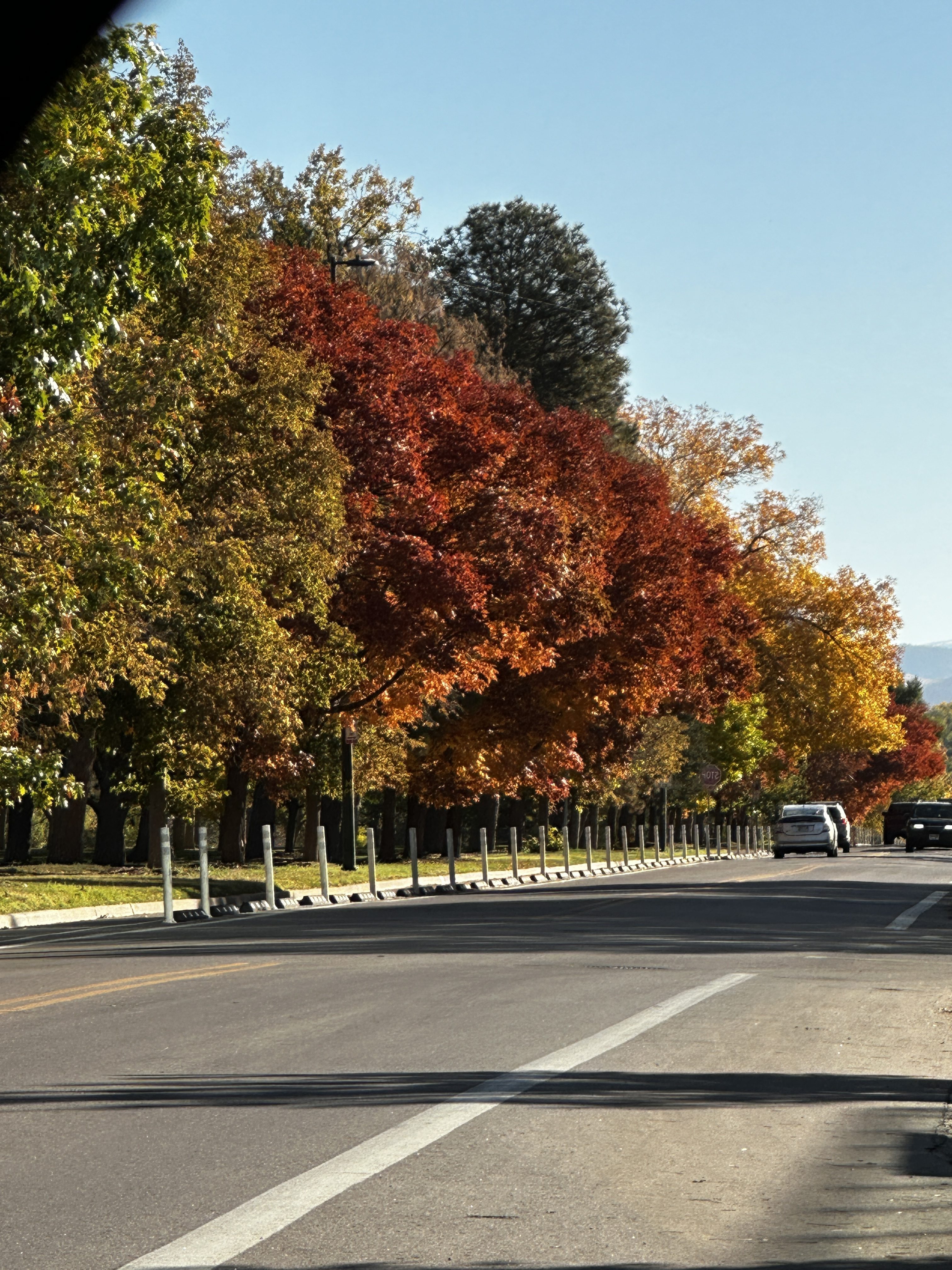
A little preparation this fall can help Denver homeowners avoid expensive repairs, improve energy efficiency, and protect their homes through Colorado’s unpredictable winter weather.
Fall is one of the most beautiful times of year in Denver. The temperatures are cooler, the leaves are changing, and there’s still plenty of sunshine to enjoy. But Colorado homeowners know that a beautiful 75-degree October afternoon can quickly turn into a freezing, snowy night. Between temperature swings, dry conditions, heavy spring snowstorms, and occasional subzero cold snaps, homes along the Front Range face some unique challenges.
Whether you own a historic bungalow in Washington Park, a mid-century ranch in Wheat Ridge, or a newer home in Highlands Ranch, October is an ideal time to tackle preventative maintenance before winter arrives. Here are 15 important fall home maintenance tasks for Denver-area homeowners, including a few that are especially important in Colorado.
1. Winterize Your Sprinkler System
Priority: High | Complete before freezing temperatures
One of the most common and preventable winter maintenance problems in Colorado is damage to irrigation systems. Water remaining inside sprinkler lines, valves, and backflow preventers can freeze and expand, causing cracked pipes and expensive repairs. Before the first hard freeze:
- Shut off the water supply to your irrigation system.
- Schedule a professional sprinkler blowout to remove water from the lines, if your system requires one.
- Drain and protect your backflow preventer.
- Turn off your irrigation controller or switch it to the appropriate winter setting.
- Disconnect, drain, and store garden hoses.
Even homes without automatic sprinklers should have their exterior faucets checked. Some homes have interior shutoff valves that need to be closed before draining outdoor faucets.
Denver tip: Denver’s average first fall freeze occurs around October 7, although the actual date varies considerably from year to year. Don’t assume you’ll have until Halloween to winterize your irrigation system.
Important Update for Fall 2026: Denver Water Restrictions
Due to ongoing drought conditions, Denver Water has prohibited lawn watering and spray irrigation beginning October 1, 2026, until further notice. Homeowners may still water trees, shrubs, and certain other plants using approved hand-watering or low-volume, non-spray methods. These restrictions apply to Denver Water customers, including those in many surrounding suburbs; other water providers may have different rules. Check the latest requirements directly with Denver Water.
2. Have Your Furnace or Boiler Serviced
Priority: High | September–October
Your heating system works hard during Colorado winters, and the last thing you want is to discover a problem during a January cold snap. Schedule an annual inspection before the heating season is underway.
For forced-air furnaces:
- Replace or clean the air filter.
- Have a technician inspect the heat exchanger, burners, and safety controls.
- Verify that the system is operating efficiently.
- Check vents and registers for blockages.
- Make sure exterior intake and exhaust openings are unobstructed.
For homes with hot-water boiler systems:
- Schedule a professional boiler inspection.
- Check for leaks around radiators and baseboard heaters.
- Have the system pressure and expansion tank inspected.
- Verify that circulation pumps and zone valves are working properly.
Denver tip: Many older homes in neighborhoods such as Congress Park, Capitol Hill, Park Hill, and the Highlands use boiler heating systems rather than traditional forced-air furnaces. Boilers have different maintenance requirements, so be sure to hire a technician experienced with your particular system (here’s how to vet a contractor in Colorado). If you have a heat pump, make sure your technician understands cold-climate heat pump operation and any supplemental heating equipment.
3. Clean Your Gutters and Check Drainage
Priority: High | After most leaves have fallen
Denver’s mature trees create beautiful fall color, but they also produce plenty of leaves that can clog gutters and downspouts. Blocked gutters can cause water to overflow near the foundation or back up along the roofline, and when temperatures drop, trapped water may freeze and create additional problems. Your fall checklist should include:
- Remove leaves, pine needles, and debris from gutters.
- Flush downspouts to verify proper drainage.
- Check for loose or damaged gutters.
- Make sure downspouts direct water away from your foundation.
- Remove debris from exterior drains and window wells.
Denver tip: Older Denver homes may have aging foundation drainage systems, and some have basement windows or window wells that are particularly vulnerable to water intrusion. Pay attention to any areas where water pools near the home after heavy rain or snowmelt.
4. Inspect Your Roof Before Snow Arrives
Priority: High | September–November
Colorado roofs take a beating from hail, intense UV exposure, wind, and snow. Fall is a good time to visually inspect your roof or have a professional evaluate it, especially after a summer with significant hailstorms. Look for:
- Missing, cracked, or damaged shingles.
- Loose flashing around chimneys and vents.
- Damaged roof penetrations.
- Debris collecting in roof valleys.
- Signs of water stains inside the attic or on ceilings.
Pay particular attention to areas where different roof sections meet. Avoid climbing onto a steep or potentially damaged roof; a qualified roofer can safely inspect areas you can’t see from the ground. If you suspect hail damage, document the condition and review your insurance policy before considering a claim. More on that in Handling Hail: What Every Denver Homeowner Should Know.
Denver tip: Heavy, wet spring snow can put considerable stress on roofs. Addressing minor roofing problems in the fall may prevent water intrusion during winter and spring storms.
5. Seal Drafts Around Windows and Doors
Priority: Medium–High | September–November
Colorado’s cold nights and fluctuating temperatures can make even small air leaks noticeable. Drafty windows and doors force heating systems to work harder and can make rooms uncomfortable. Check for:
- Worn weatherstripping around exterior doors.
- Gaps around window frames.
- Damaged caulking.
- Drafts around attic hatches.
- Air leaks around plumbing and utility penetrations.
Replacing inexpensive weatherstripping or sealing small gaps can improve comfort and reduce energy waste.
Denver tip: Older homes with original wood windows may benefit from weatherstripping, storm windows, or targeted repairs rather than automatically replacing every window. If you’re considering replacement, fall is a good time to assess which windows are actually causing comfort or efficiency problems.
6. Check Attic Insulation and Ventilation
Priority: Medium | Fall
Your attic plays an important role in keeping your home comfortable year-round. Insufficient insulation can allow heat to escape during winter, increasing energy consumption, and can contribute to uneven temperatures and snow melting on the roof. Consider having a professional evaluate:
- Insulation levels and coverage.
- Gaps around attic access panels.
- Air leakage around recessed lighting and other penetrations.
- Proper attic ventilation.
- Evidence of moisture intrusion or animal activity.
Denver tip: Ice dams can develop when heat escaping into the attic warms the roof, melting snow that later refreezes near colder eaves. Improving attic air sealing, insulation, and ventilation can help reduce this risk. In older Denver homes, be cautious about disturbing unknown insulation materials until they have been properly identified.
7. Test Smoke and Carbon Monoxide Detectors
Priority: High | October
As homeowners begin using furnaces, boilers, gas fireplaces, and wood-burning fireplaces, fall is an especially important time to check safety equipment.
- Test smoke alarms and carbon monoxide detectors.
- Replace batteries when applicable.
- Check expiration dates and replace aging units.
- Verify that alarms are installed in the appropriate locations.
- Keep heating vents and appliance exhaust openings unobstructed.
Carbon monoxide is particularly dangerous because it is colorless and odorless. Colorado has specific carbon monoxide alarm requirements for homes with fuel-burning appliances, fireplaces, or attached garages, including requirements associated with certain property sales and renovations. Even when an alarm is not specifically required, properly located carbon monoxide detection is an important safety precaution.
Safety tip: If a carbon monoxide alarm sounds, move everyone outdoors immediately and contact emergency services. Never ignore an alarm or assume it is malfunctioning.
8. Have Your Fireplace and Chimney Inspected
Priority: Medium–High | Before the first fire
There’s nothing quite like a fireplace on a snowy Colorado evening. Before lighting your first fire of the season, make sure the fireplace and chimney are safe to use.
For wood-burning fireplaces:
- Have the chimney inspected by a qualified professional.
- Schedule cleaning when needed.
- Check the damper.
- Make sure the chimney cap is secure.
- Look for signs of animal nests or other blockages.
For gas fireplaces:
- Have the burner and ignition components inspected as appropriate.
- Verify that ventilation is working properly.
- Follow the manufacturer’s maintenance recommendations.
Denver tip: Many older Denver homes feature original wood-burning fireplaces that add charm and architectural character. Don’t assume a fireplace is safe simply because the previous owner used it. Professional inspection is especially important when purchasing a home with an older or rarely used fireplace.
9. Protect Exterior Plumbing and Vulnerable Pipes
Priority: High | Before freezing temperatures
Frozen pipes can cause substantial water damage, particularly in older homes or homes with plumbing located near exterior walls. Take a few minutes to identify vulnerable locations, including:
- Outdoor faucets and hose bibs.
- Plumbing in unheated crawl spaces.
- Pipes near poorly insulated exterior walls.
- Plumbing in garages.
- Pipes located in cabinets along exterior walls.
Insulate vulnerable piping where appropriate, locate your home’s main water shutoff valve, and make sure everyone in the household knows how to turn it off in an emergency.
Denver tip: If you own a vacant property, second home, or home you’re preparing to sell, winterization is especially important. Maintain adequate indoor heat and arrange regular property checks. Damage from an undetected frozen pipe can become extensive before anyone realizes there’s a problem.
10. Give Your Trees Some Attention Before Winter
Priority: Medium–High | October–November
Colorado’s semi-arid climate creates challenges for trees, especially during warm, dry winters. Many Denver homeowners assume that once the sprinklers are turned off, their landscape doesn’t need any additional water until spring. That’s not necessarily true. According to Colorado State University Extension, trees and shrubs can suffer root damage during extended dry periods, even when they’re dormant. Consider the following:
- Check soil moisture before watering.
- Water vulnerable trees and shrubs during extended dry periods when permitted.
- Water only when the air and soil temperatures are above 40°F and the ground isn’t frozen.
- Apply mulch around trees and shrubs to help conserve moisture.
- Keep mulch away from direct contact with tree trunks.
- Have dead or hazardous branches professionally evaluated.
Newly planted trees, evergreens, and certain shallow-rooted species can be particularly vulnerable to winter drought. For more information, see Colorado State University Extension’s Fall and Winter Watering Guide.
Important for 2026: Denver Water’s drought restrictions still allow approved hand-watering or drip irrigation for trees and shrubs. Always follow your water provider’s current rules.
11. Prepare Your Landscaping for Winter
Priority: Medium | October–November
Fall is a great time to clean up landscaping and plan for the next growing season. A few recommended tasks include:
- Remove weeds before they go dormant.
- Clear excessive leaves from lawns and drainage areas.
- Mulch healthy leaves into the lawn when practical.
- Cut back plants that benefit from fall pruning, while leaving appropriate perennial stems and seed heads for wildlife.
- Add mulch to planting beds.
- Drain and store garden hoses and seasonal irrigation accessories.
Fall can also be an excellent time to evaluate whether your landscaping is appropriate for Colorado’s increasingly challenging water conditions.
Denver tip: If you’ve been considering replacing part of your traditional lawn with native plants, drought-tolerant landscaping, or a ColoradoScape design, fall is a good time to begin planning. Check current utility rules and any available rebates before starting a landscaping conversion.
12. Prepare Your Garage and Garage Door
Priority: Medium | October–November
Your garage may not be the first thing that comes to mind when preparing for winter, but it deserves some attention.
- Inspect weatherstripping along the bottom of the garage door.
- Check the door’s operation and safety-reversal features.
- Lubricate moving components according to manufacturer recommendations.
- Inspect the door seal for gaps that allow snow or cold air inside.
- Organize snow shovels, ice melt, and other winter supplies.
If your garage shares a wall with your home, check for visible gaps around penetrations that could allow cold air or fumes to enter living spaces.
Denver tip: Detached garages are common in many established Denver neighborhoods. If yours contains a water supply or utility sink, make sure that plumbing is protected before freezing temperatures arrive.
13. Inspect Walkways, Driveways, and Exterior Stairs
Priority: Medium | Before snow season
Small cracks and uneven surfaces can become more problematic when water enters and freezes. Fall is a good time to inspect:
- Cracks in concrete driveways.
- Uneven sidewalk sections.
- Loose exterior stair railings.
- Damaged porch steps.
- Areas where melting snow tends to refreeze.
Consider repairing hazardous conditions before winter, and have snow shovels and an appropriate ice-melting product readily available.
Denver tip: The direction your driveway faces makes a noticeable difference in winter. South-facing driveways often get enough sunshine to melt snow and ice, while north-facing driveways may stay shaded longer and need more attention (more in North-Facing vs. South-Facing Driveways in Denver). Regardless of orientation, good drainage and safe walking surfaces are important.
14. Clean Your Dryer Vent and Check Exhaust Vents
Priority: Medium | Fall
Dryer vents collect lint over time, and restricted airflow can increase drying times and create a fire hazard. Fall is a convenient reminder to:
- Clean the lint trap.
- Inspect and clean the dryer exhaust duct as needed.
- Check the exterior dryer vent for obstructions.
- Verify that bathroom fans exhaust properly.
- Make sure furnace and water heater exhaust vents are unobstructed.
If you notice unusually long drying times or excessive heat around your dryer, have the vent system evaluated.
Denver tip: When snow piles up, check that low-mounted exterior exhaust vents stay clear. Blocked vents for high-efficiency furnaces or other heating equipment can cause equipment shutdowns and potentially dangerous conditions.
15. Prepare Your Home for Winter Emergencies
Priority: High | November
Even well-maintained homes can experience problems during severe Colorado weather, and a little planning makes winter emergencies easier to manage. Keep essential supplies accessible:
- Snow shovel and ice melt.
- Flashlights and extra batteries.
- Portable phone chargers.
- Emergency blankets.
- Basic first-aid supplies.
- Drinking water and nonperishable food.
- Contact information for trusted service professionals.
Know where your water shutoff, electrical panel, and gas shutoff are located. Review your homeowners insurance policy to understand your coverage and deductibles, particularly for weather-related damage; it’s also a good moment to make a quick video documenting your home for insurance. If you plan to travel during the holidays, ask someone to check your property during extended absences.
Safety reminder: Never operate generators, outdoor grills, or fuel-burning camping equipment inside your home or garage.
Fall Home Maintenance Checklist: What to Do and When
Use this quick-reference schedule to prioritize your fall maintenance projects.
| Maintenance Task | Recommended Timing | Priority |
|---|---|---|
| Winterize sprinkler system | September–early October | High |
| Disconnect and drain hoses | Before first freeze | High |
| Service furnace or boiler | September–October | High |
| Test smoke and CO detectors | October | High |
| Clean gutters and downspouts | October–November | High |
| Inspect roof and flashing | September–November | High |
| Check exterior plumbing | Before first freeze | High |
| Inspect fireplace and chimney | Before first use | High |
| Check windows and doors for drafts | October–November | Medium |
| Evaluate attic insulation | Fall | Medium |
| Water vulnerable trees when permitted | During dry, mild periods | Medium–High |
| Prepare landscaping | October–November | Medium |
| Inspect garage door and seals | October–November | Medium |
| Repair hazardous walkways | Before snow season | Medium |
| Clean dryer and exhaust vents | Fall | Medium |
| Prepare winter emergency supplies | October–November | High |
Timing is approximate and may vary depending on weather conditions and your home’s location along the Front Range.
Why Preventative Maintenance Matters for Your Home’s Value
Regular maintenance isn’t just about preventing breakdowns. It can also make a difference when it’s time to sell. As a Denver real estate agent, I’ve seen how seemingly minor maintenance issues can become concerns during a buyer’s home inspection.
A leaking gutter, an aging furnace that hasn’t been serviced, deteriorating caulking, or evidence of past water intrusion can raise questions about how well a property has been maintained. Sometimes these issues are relatively inexpensive to address, but once they appear on an inspection report, they can become part of a much larger negotiation.
A well-maintained home provides benefits beyond avoiding repair bills:
- Fewer surprises: Addressing small problems early can help prevent more expensive repairs.
- Improved efficiency: Proper maintenance can help heating and cooling systems operate effectively.
- Greater buyer confidence: Maintenance records and documented improvements can help demonstrate responsible homeownership.
- Better long-term value: Protecting your roof, mechanical systems, foundation, and exterior reduces the likelihood of deferred maintenance becoming a major expense.
Keeping a simple record of annual maintenance, repairs, and major system improvements can also be useful when preparing to sell. (A dedicated home email address makes that easy.)
Final Thoughts: A Little Work Now Can Prevent Bigger Problems Later
Colorado’s climate is one of the many things that makes living along the Front Range unique. We enjoy abundant sunshine, four distinct seasons, and plenty of opportunities to spend time outdoors. But those dramatic temperature changes, dry winters, occasional heavy snowstorms, and intense UV exposure can also be hard on our homes.
Taking care of a few preventative maintenance projects each fall can help protect your investment, reduce unnecessary expenses, and keep your home comfortable throughout winter. You don’t have to complete everything in a single weekend. Start with the highest-priority items, particularly anything involving water, heating, or safety.
And if you’re thinking about selling your home in the coming months, fall is also a great time to identify potential maintenance issues before buyers and home inspectors have an opportunity to discover them.
Thinking about selling your Denver-area home?
I’m happy to help you evaluate which improvements and maintenance projects are worth addressing before listing and which may not provide a meaningful return on your investment.
Keep reading
Frequently Asked Questions About Fall Home Maintenance in Denver
When should I winterize my sprinklers in Denver?
Ideally, before the first hard freeze. Denver’s average first fall freeze occurs in early October, but freezing temperatures can arrive earlier or later. Homeowners should plan ahead and consult an irrigation professional if they’re unsure how to properly winterize their system.
Do I need to water trees during the winter in Colorado?
Sometimes. Colorado’s dry winters can cause moisture stress, particularly for newly planted trees and evergreens. CSU Extension recommends supplemental watering during extended dry periods when the temperature is above 40°F and the soil isn’t frozen. Always follow local water restrictions.
How often should I have my furnace serviced?
Annual professional maintenance is generally recommended. Fall is a convenient time to schedule service before heating systems begin operating regularly.
Can freezing weather damage outdoor faucets?
Yes. Water trapped in outdoor faucets or connected hoses can freeze, expand, and cause damage. Disconnect hoses and drain vulnerable exterior plumbing before freezing temperatures.
What are the most important fall maintenance tasks for an older Denver home?
For older homes, pay particular attention to roofing, gutters, foundation drainage, insulation, plumbing, electrical safety, and the condition of the heating system. Original windows and older fireplaces may also require additional inspection or maintenance.
Should I replace my windows before winter?
Not necessarily. Drafts and heat loss can sometimes be improved through weatherstripping, caulking, or storm windows. A professional evaluation can help determine whether repairs or full replacement make more sense.
Does routine home maintenance help when selling a house?
Yes. Consistent maintenance can help reduce unexpected inspection issues and give potential buyers greater confidence in the property. Keeping service records and documentation of improvements can also be valuable when preparing a home for sale.