
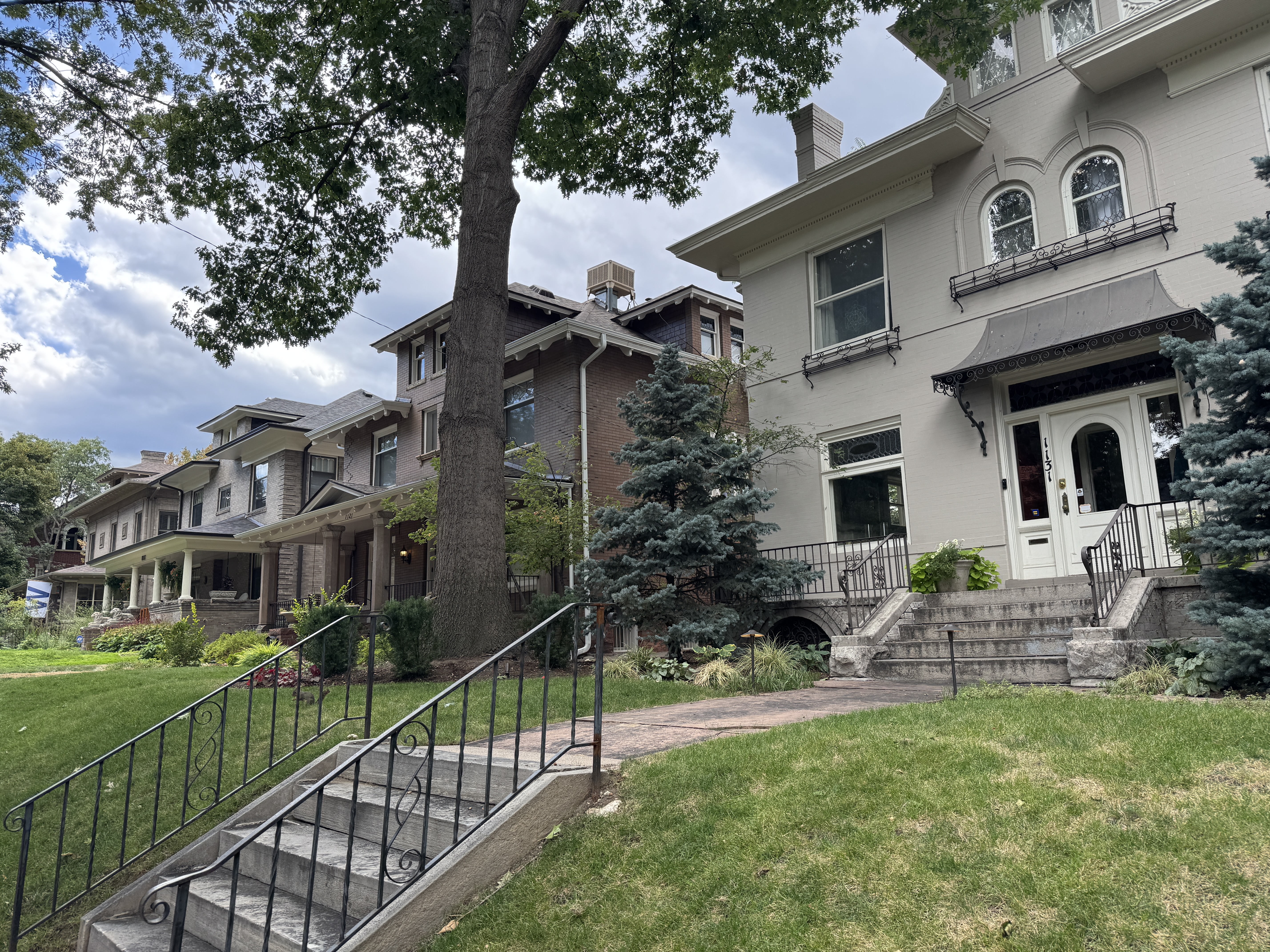
Part of being a homeowner is maintaining your property, and one of the most common deferred maintenance issues I see when I’m walking through homes is neglected exterior paint.
A fresh coat does give a good first impression. That part is obvious. But the more important job paint is doing is protecting your siding and trim from water and pest damage. Once paint fails, moisture gets into the wood, and what could have been a paint job becomes a carpentry project.
How often should you repaint?
Plan on painting your exterior every five to ten years, depending on your exposure to the elements and the quality of the job that was done before.
Along the Front Range, I’d lean toward the shorter end of that range. We’re at altitude with intense UV exposure and more than 300 days of sun a year, we get hail, and we run through freeze-thaw cycles all winter. South- and west-facing walls take the worst of it and almost always fail first. It’s common to need those elevations redone well before the rest of the house.
Hire it out or do it yourself?
Hiring a professional painter isn’t cheap, but it can absolutely save you money in the long run by preventing far more expensive repairs down the road.
That said, if you have a single-story home and you have the ability and the time, this is one of the more realistic DIY projects out there. In most cases it isn’t difficult. It just takes patience to do it right.

My top tips if you’re painting it yourself
1. Preparation is everything
This is where good results are won or lost. Take the time to sweep off dirt and cobwebs, scrape off any loose or peeling paint, and pressure wash if needed.
2. Look for damage while you’re up there
This is probably the only time you’ll look this closely at some areas of your exterior, so use it. Patch holes with wood filler, caulk seams, and reattach any loose trim.
3. Test your color before you commit
If you’re changing colors, get a small sample and make sure it works with your roof color, brick, or other materials. If you want to match the existing color but don’t know what it is, take at least a one-inch-square swatch to the paint store. They can usually get a very close match, if not an exact one.
4. Don’t skimp on paint or tools
It might seem like you can cut corners on a brush or roller, but those really can make or break the job. Make sure you also have a sturdy ladder and an extension pole if you need one.
5. Keep a damp cloth nearby
Drips and spills are far easier to deal with immediately than after they’ve dried.
6. Watch the weather
Try to paint on a dry day when temperatures are between 50 and 75 degrees. In Denver that usually means late spring or early fall, and keep an eye on the afternoon forecast, because a surprise storm on fresh paint will undo a full day of work.
Why this matters when you sell
Peeling or chalking exterior paint is one of the first things buyers notice and one of the first things an inspector flags. It quietly signals “this house hasn’t been kept up,” which makes buyers wonder what else was deferred. Staying ahead of it is one of the cheapest ways to protect both your home and its value.
Wondering whether exterior paint is worth doing before you list, or which maintenance projects actually pay off in your neighborhood? Let’s talk it through.
Keep reading
Questions about maintaining or preparing your Denver-area home? Reach out to Marla directly.